Buddhist caves, cliffside temples, timber architecture and the living streets of Pingyao
A Canvas Journeys Destination Story
In northern China, history is not confined to display cases. It is carved into mountains, balanced against cliffs, fitted together in timber and still present in the lanes of a walled city. This is Shanxi, a province where thousands of years of architecture and belief remain remarkably close to everyday life.
Shanxi holds one of China’s richest concentrations of surviving historic architecture. From the Hanging Temple above a ravine to the Buddhist sculptures of Yungang, from an extraordinary wooden pagoda to the preserved streets of Pingyao, each stop reflects the imagination and technical confidence of earlier generations.
Stone, timber and city walls become chapters in one long story – a journey into the craft, faith and commercial life of ancient China.
Yungang Grottoes – Faith and Art Carved into Stone
At the foot of Wuzhou Mountain on the western edge of Datong, the Yungang Grottoes form one of the great landmarks of Chinese Buddhist art and a UNESCO World Heritage Site.
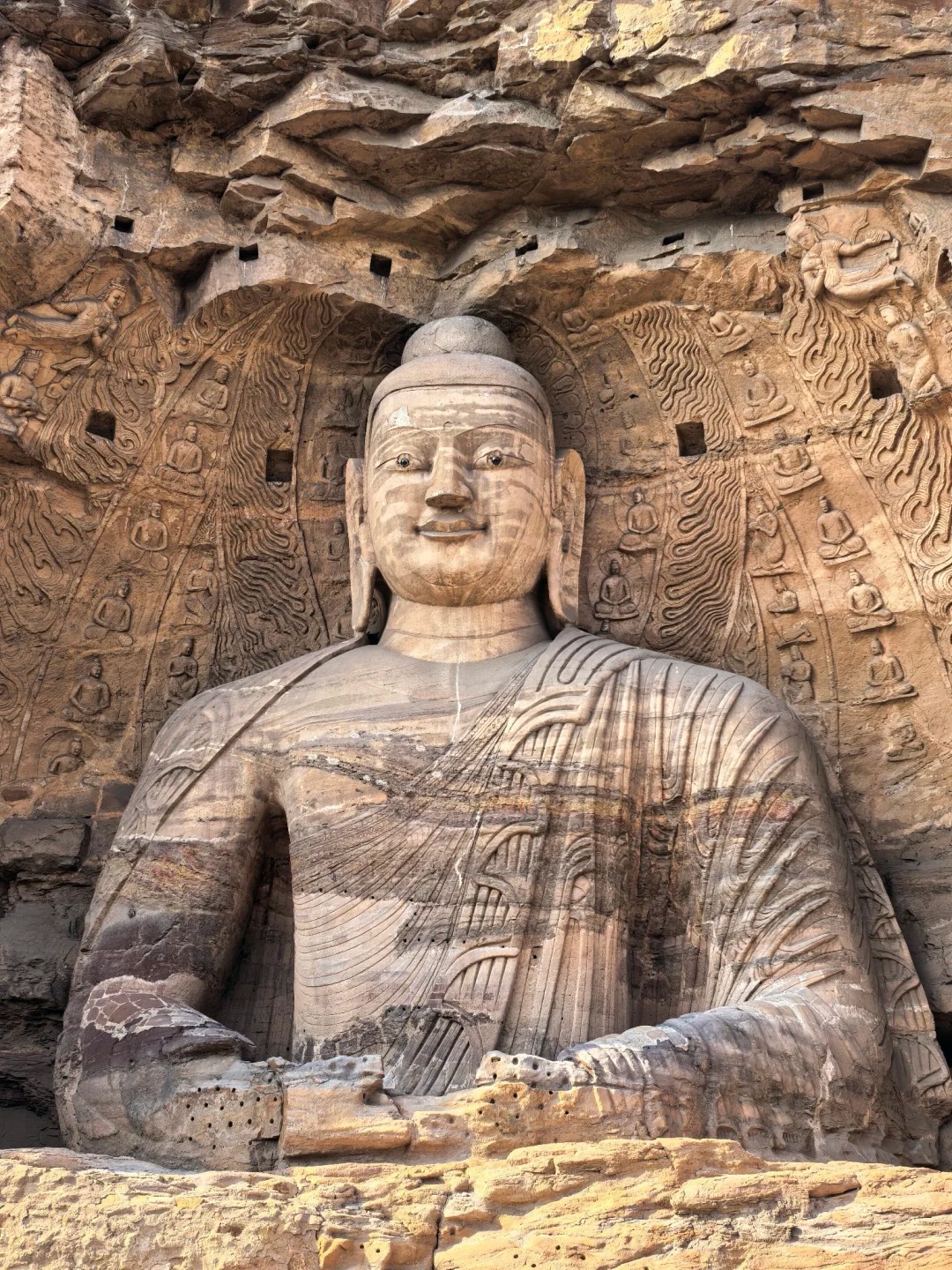
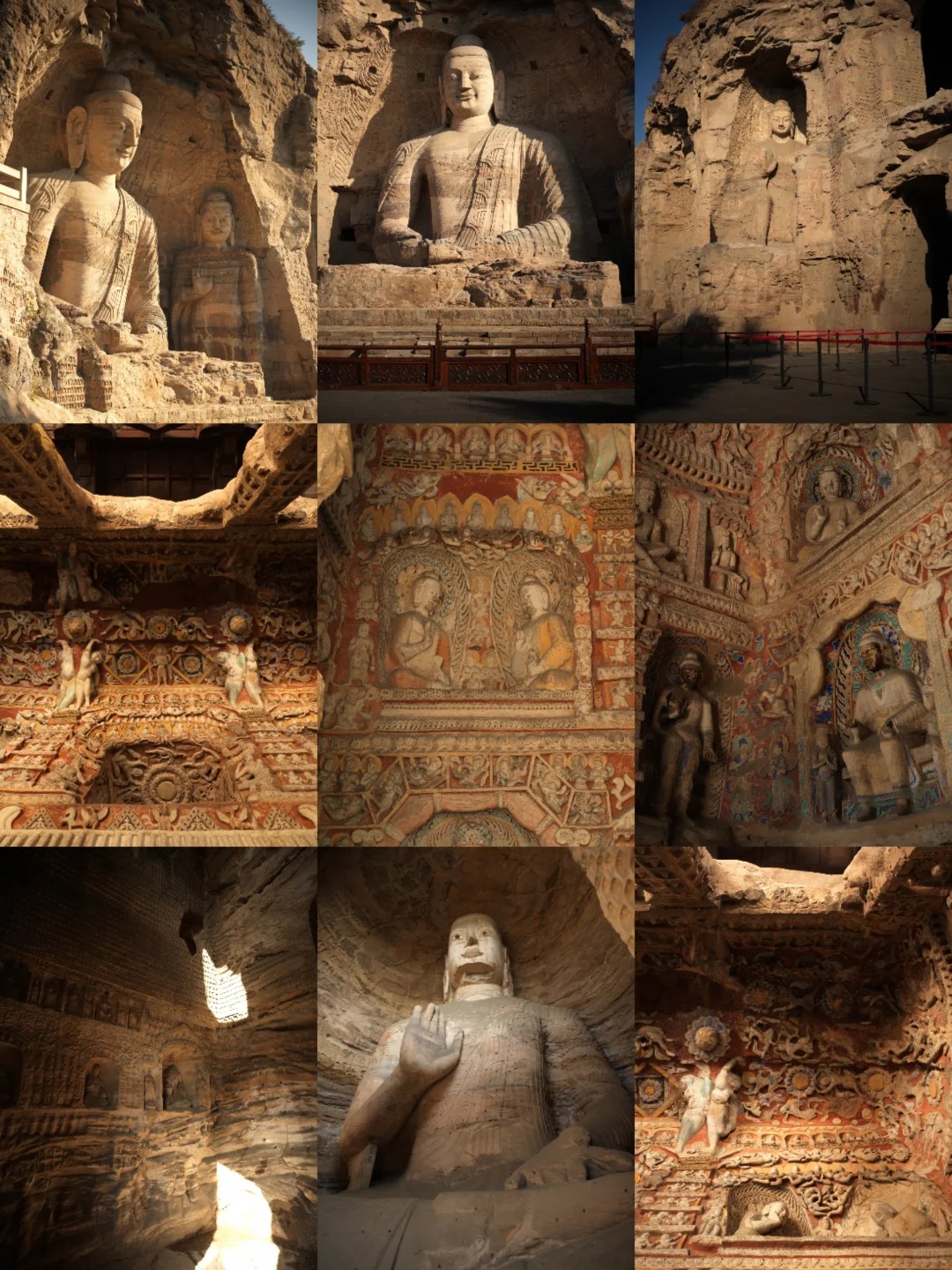
Carving began here in the fifth century under the Northern Wei dynasty, bringing faith, sculpture and architecture together within the sandstone cliffs. After more than 1,500 years, the site preserves 45 principal caves, more than 50,000 Buddhist figures and an astonishing range of reliefs.
Walking through Yungang can feel like entering an open-air museum shaped by time. Monumental Buddhas command entire chambers, while smaller bodhisattvas and decorative figures appear in niches across the rock walls. The scale draws the eye first; the patient detail of the carving keeps it there.
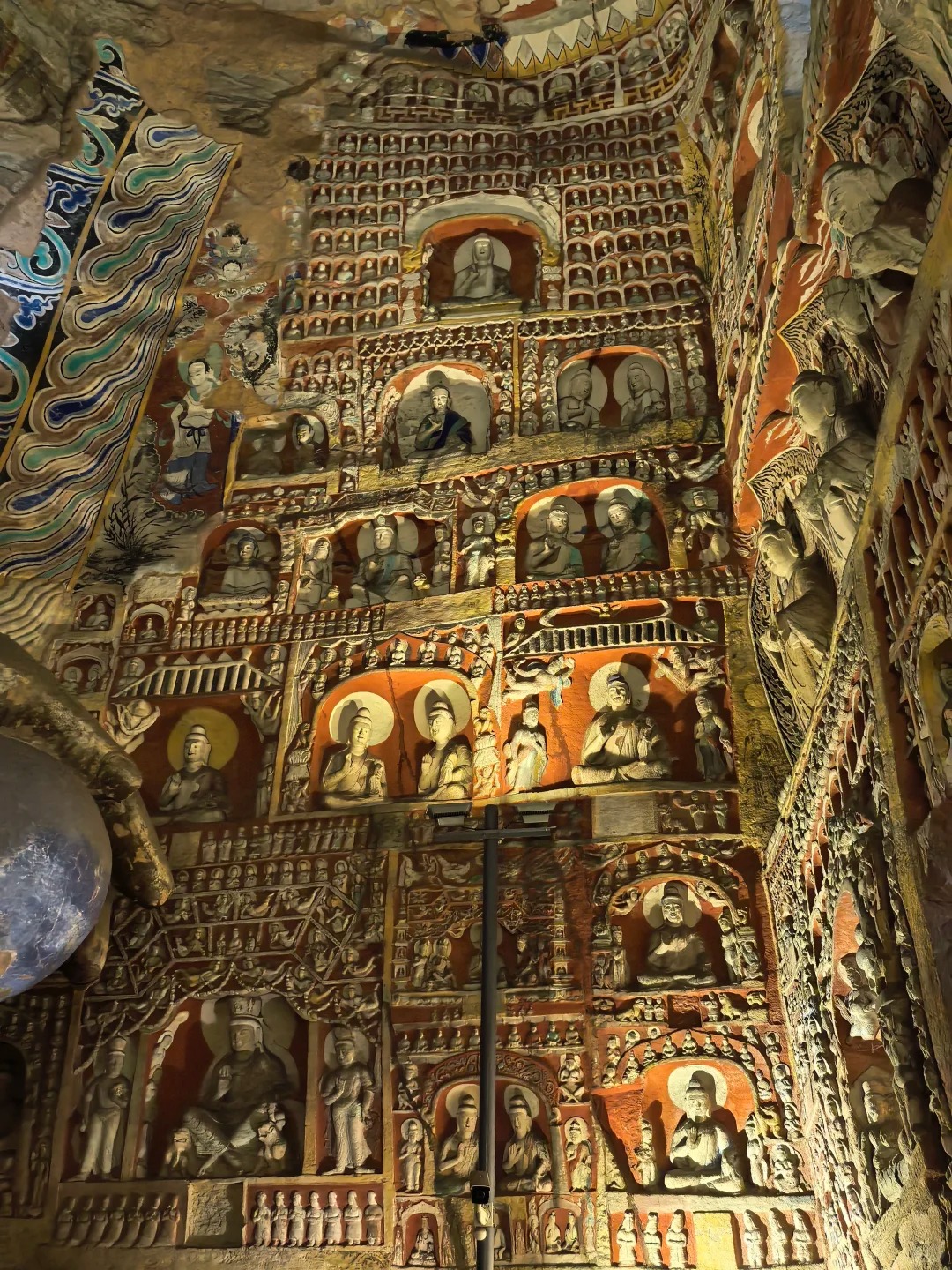
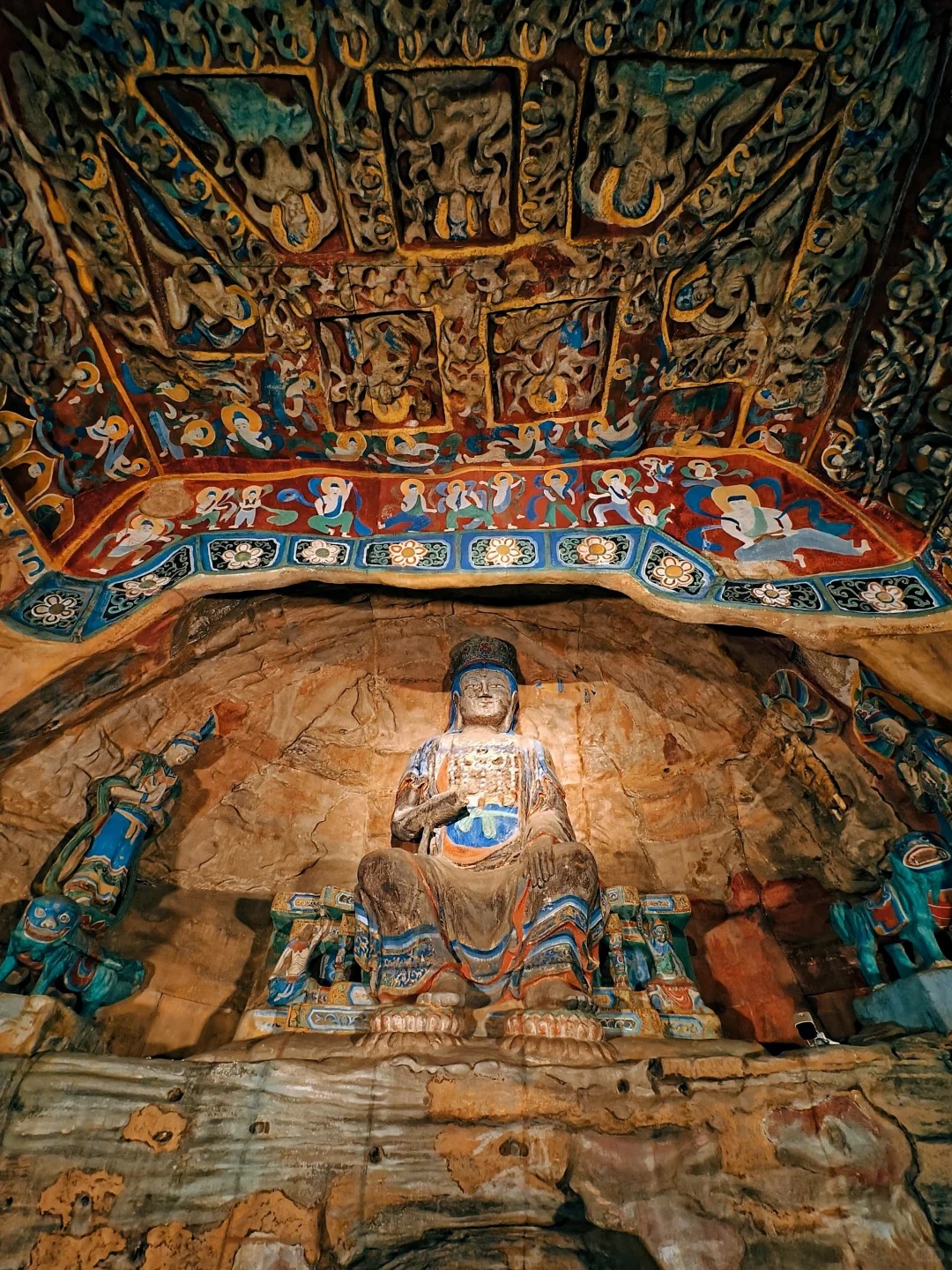
The caves also record movement along the ancient Silk Road. Influences from Indian Buddhist art and Central Asian cultures met Chinese visual traditions here, producing an artistic language that feels both connected to a wider world and rooted in northern China. For travelers interested in photography, history or cross-cultural exchange, Yungang rewards slow looking.
The Hanging Temple – A 1,500-Year-Old Cliffside Marvel
Have you ever seen a temple built into the face of a cliff? At Mount Heng, halls and walkways rise above the valley as if suspended between stone and sky. The Hanging Temple traces its origins to the Northern Wei period and has stood within this dramatic landscape for more than 1,500 years.
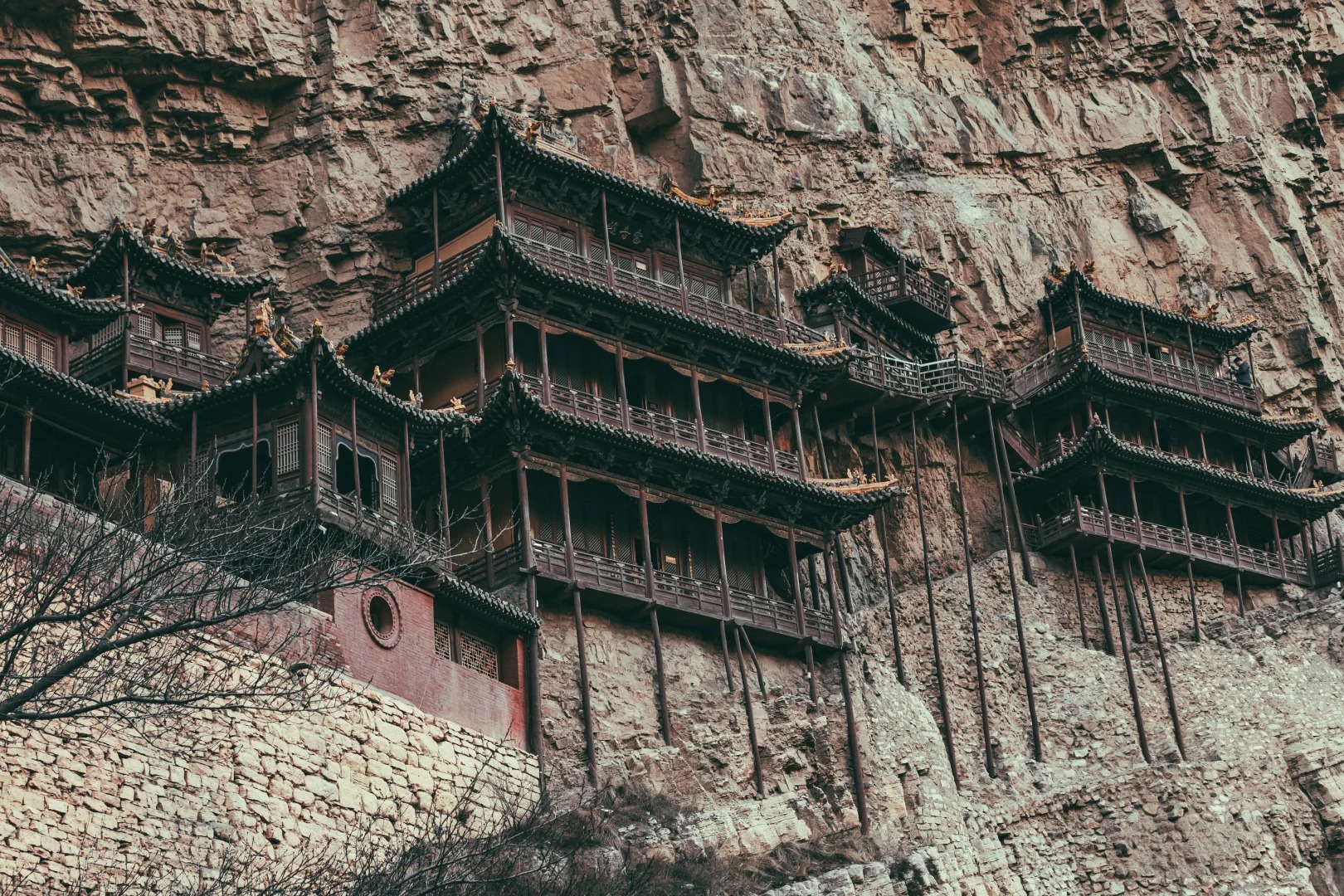
Its appeal lies not only in its daring position, but also in the intelligence of its construction. Long before modern machinery, builders worked with the rock itself, inserting timber beams and balancing the complex through careful structural planning. The architecture does not simply sit against the mountain; it seems to grow from it.
Within the complex, narrow corridors, compact halls and open balconies bring visitors into unusually close contact with both the building and the drop beyond. The experience can be intense for anyone uneasy with heights, yet it makes the achievement of the original builders feel immediate.
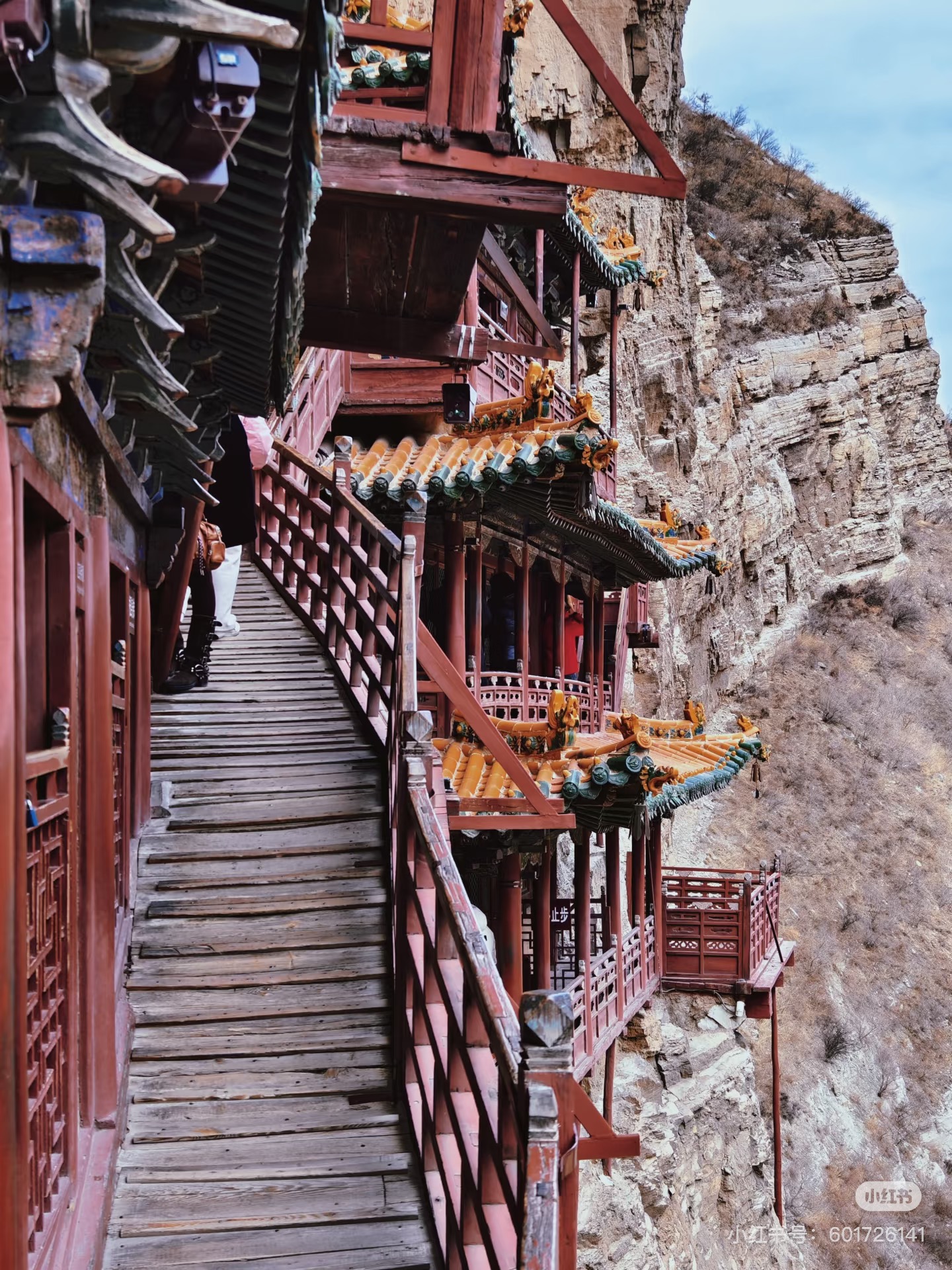
The Hanging Temple is also known for bringing together Buddhism, Daoism and Confucian thought within one sacred space. That coexistence reflects a long Chinese tradition of cultural accommodation and gives the temple meaning beyond its remarkable engineering.
Yingxian Wooden Pagoda – Engineering without a Modern Blueprint
In Ying County, Shuozhou, the Sakyamuni Pagoda of Fogong Temple rises above the surrounding town. Built in 1056 during the Liao dynasty, it is regarded as one of the world’s oldest and tallest surviving all-wooden pagodas.
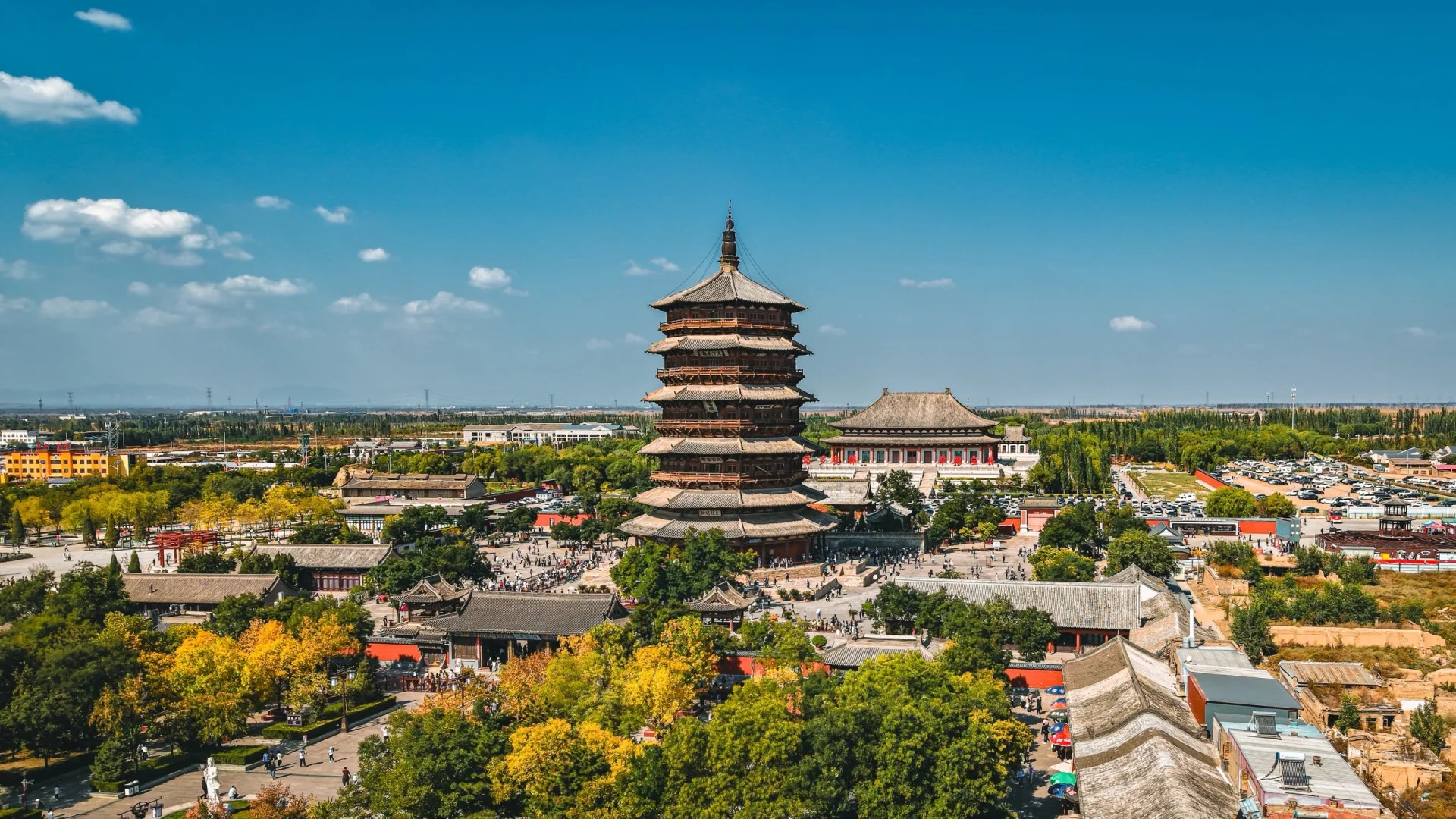
The tower stands 67.31 meters high. Its original structural system relies on precisely fitted mortise-and-tenon joints and a sophisticated network of wooden bracket sets rather than a conventional iron-nail framework. Five exterior storeys conceal additional internal levels, while dozens of bracket forms distribute weight through the structure.
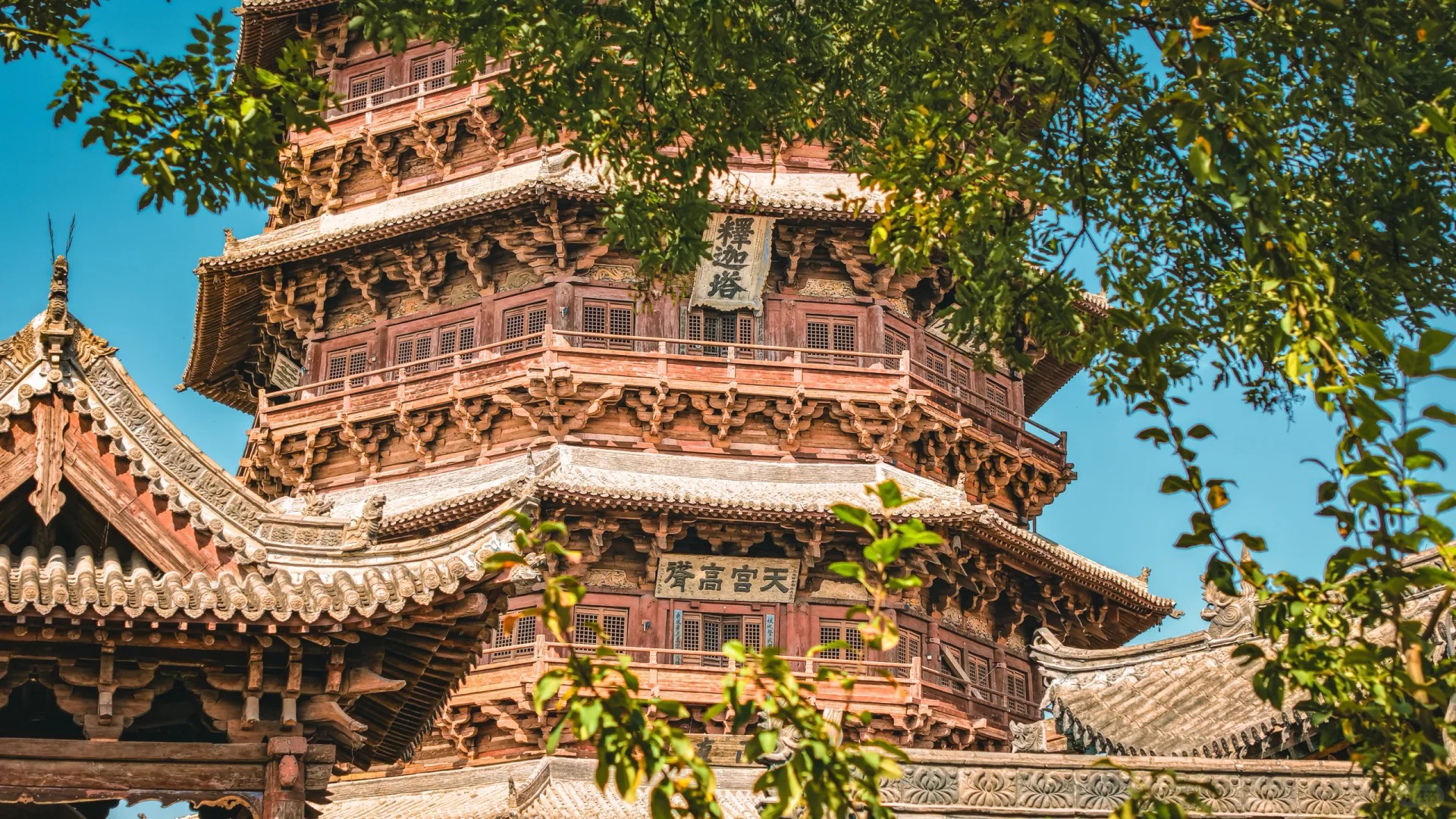
This layered construction acts almost like a natural shock-absorbing system. Through centuries of wind, earthquakes, conflict and repair, the pagoda has remained standing – a testament to practical knowledge refined by generations of builders.
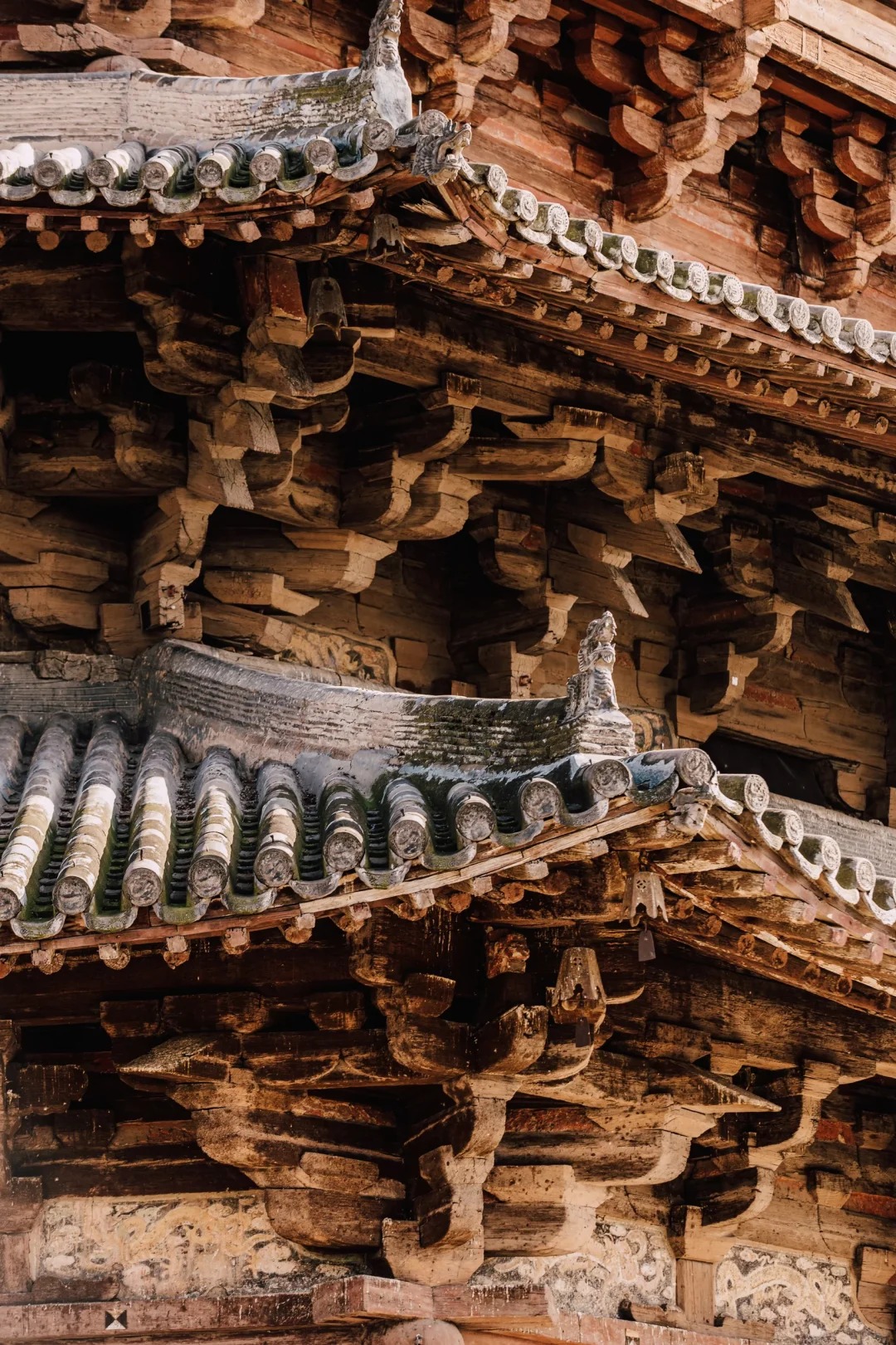
Conservation limits how closely the upper structure can be explored, but the view from below is compelling in its own right. The pagoda turns mechanics into beauty: every bracket, beam and shadow contributes to a sense of order that feels distinctly different from modern construction.
Pingyao Ancient City – A Living Window into Ming and Qing China
If the caves and temples of northern Shanxi reveal ancient faith and engineering, Pingyao brings historic urban life into focus. The city has a history of more than 2,700 years and retains a street plan and architectural character associated with the Ming and Qing dynasties.
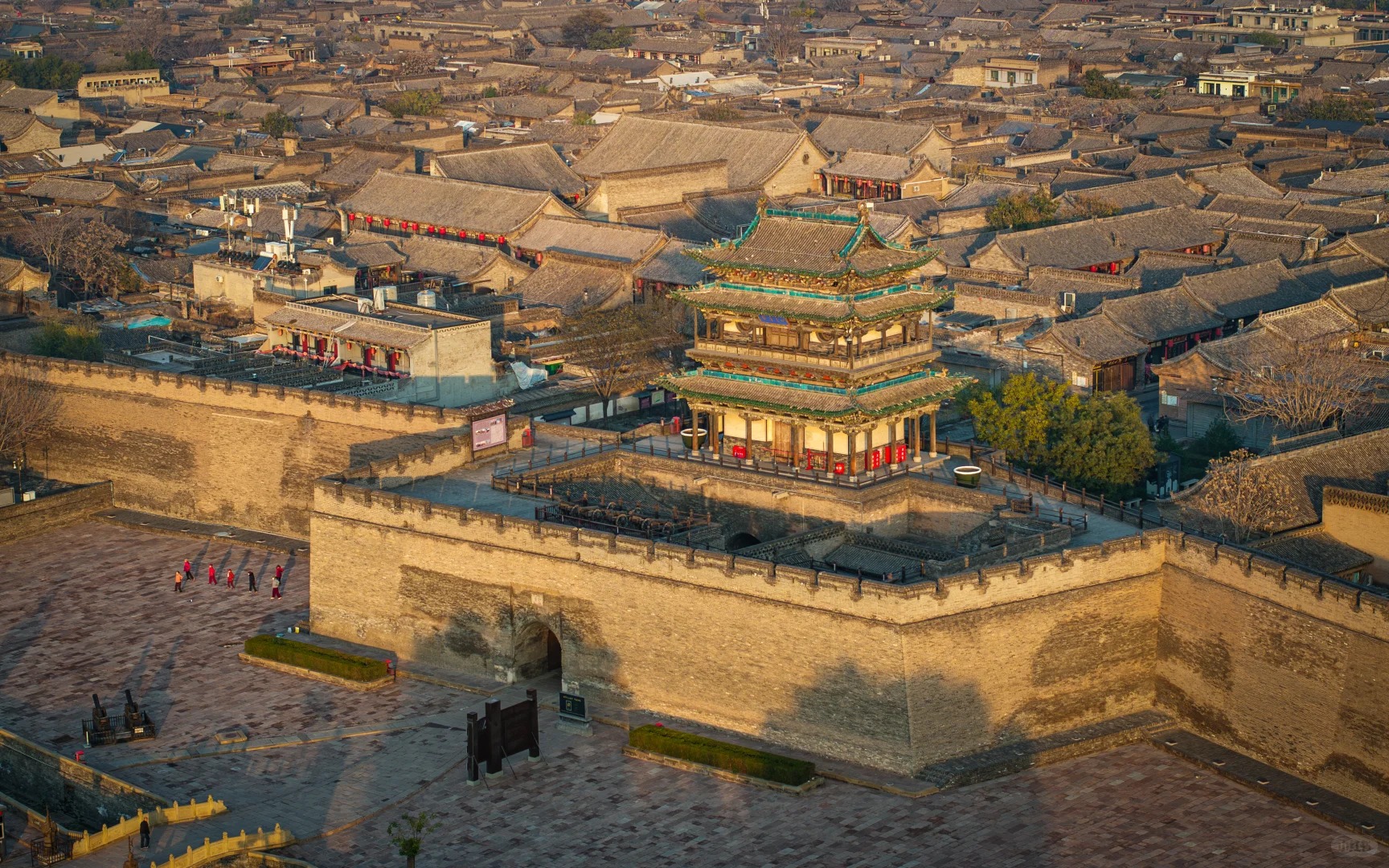
Within roughly 6.4 kilometers of old city walls, gray-brick courtyard homes, former escort agencies, the county government compound and early banking institutions preserve the memory of a prosperous commercial center. Walking along the stone streets, it is easy to imagine merchants arriving, silver moving between banking houses and armed escorts preparing for another journey.
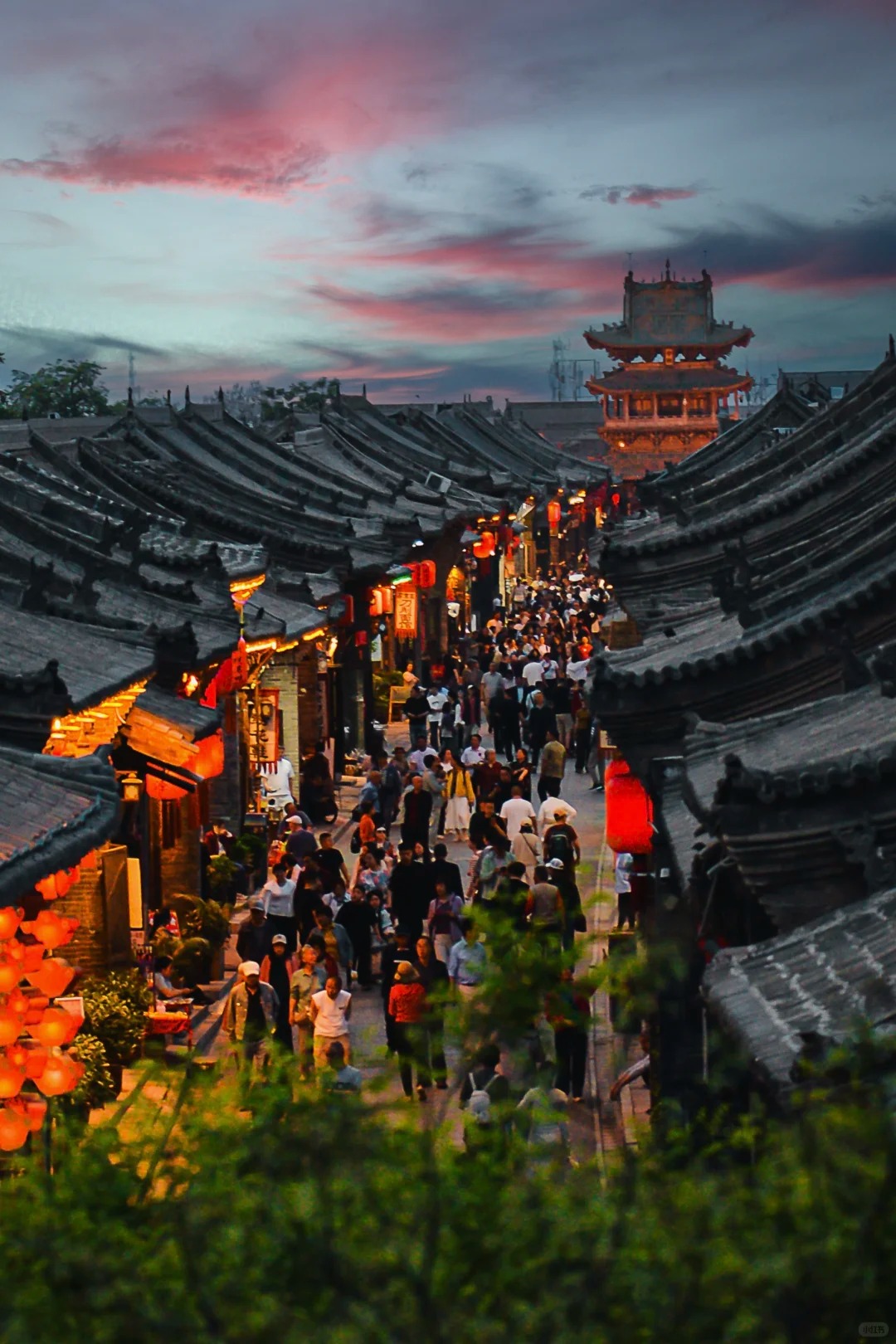
Pingyao is not only a collection of monuments. Traditional crafts, local shops and daily routines keep the city connected to the present. Paper-cutting gives vivid form to folk symbols, while lacquerware makers continue a craft built on patient layering, polishing and ornament.
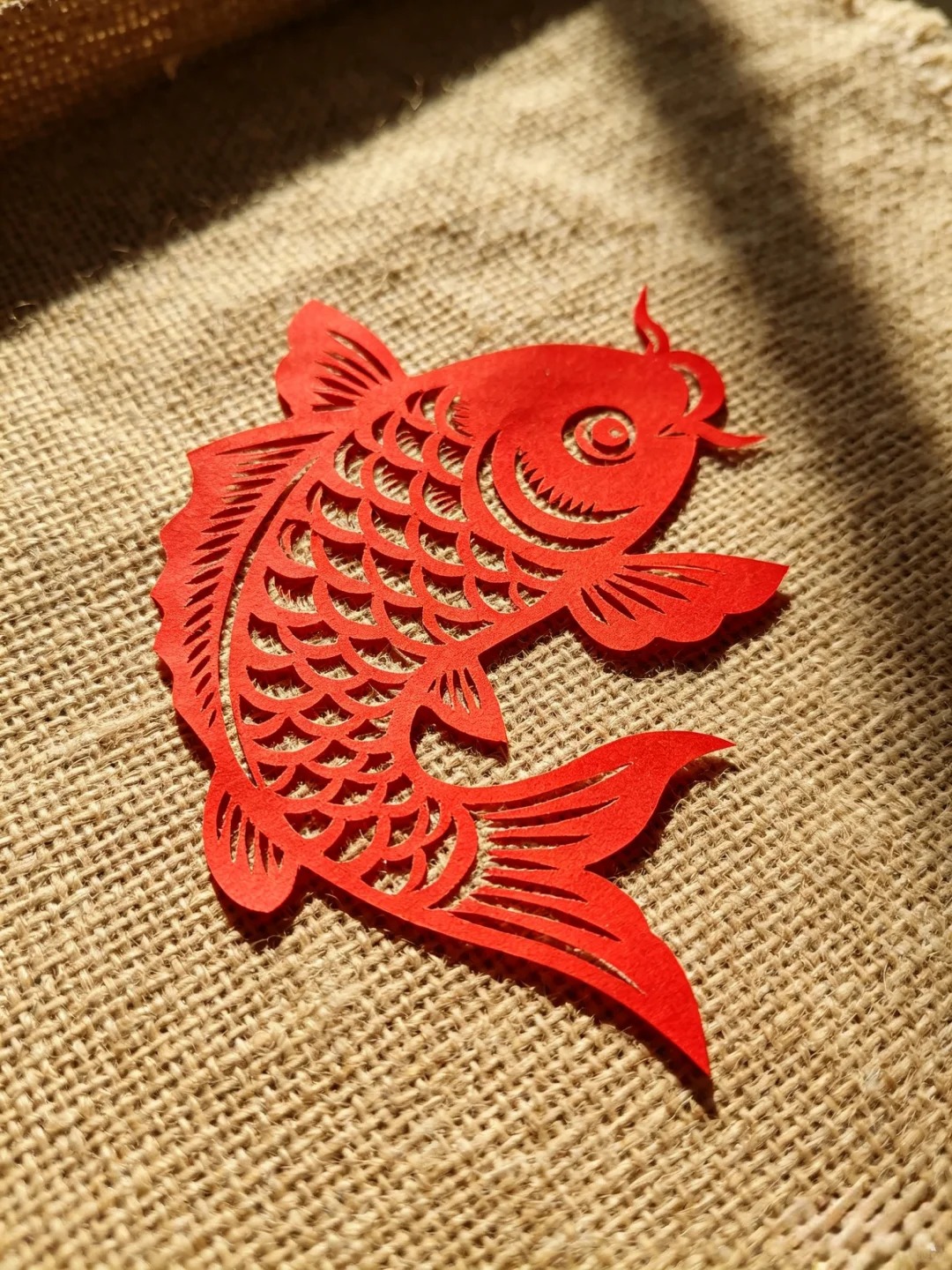
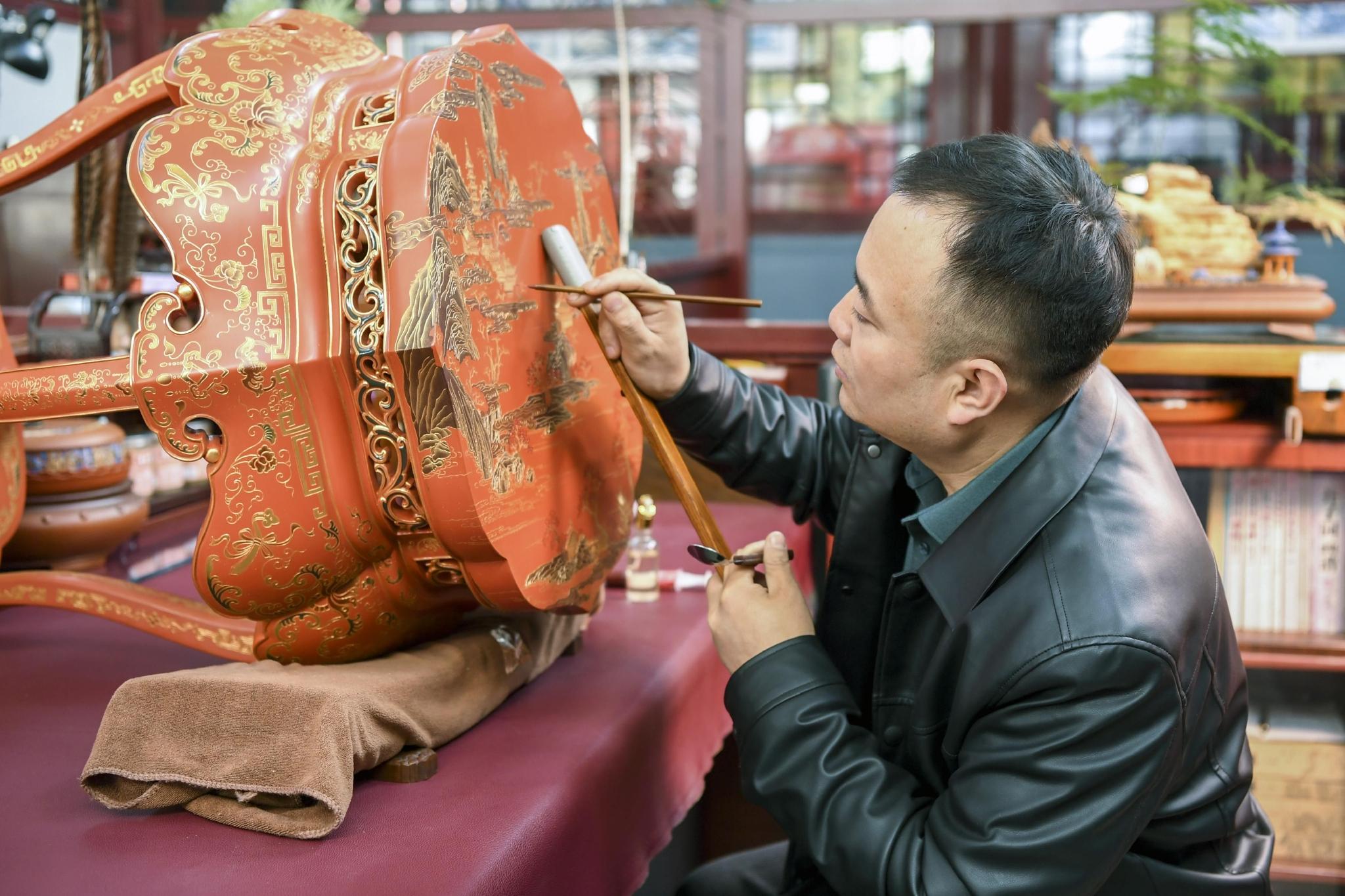
Food offers another way into the local story. Alongside Shanxi’s celebrated knife-cut noodles, Pingyao beef is one of the city’s best-known flavors: simply presented, savory and closely associated with the place itself.

By day, the courtyards and shopfronts reveal the city’s structure; by night, lantern light softens the streets and gives the old town a different rhythm. Time in Pingyao is best spent walking slowly, noticing details and allowing the city to feel lived-in rather than staged.
Shanxi, Where the Past Remains Present
Shanxi offers more than a sequence of impressive monuments. It preserves the texture of traditional China: Buddhist images shaped by international exchange, a temple balanced against a cliff, timber engineering refined without modern tools, and a walled city where craft and food still belong to everyday life.
For us at Canvas Journeys, this is the value of traveling beyond the familiar. Shanxi invites visitors to look closely, listen to the stories held in stone and wood, and paint a China story that reaches far into the past while remaining vividly personal.